






Creating a home workspace that feels relaxing yet productive can be a game-changer. When your workspace is comfortable and calming, you’re better able to focus, reduce stress, and maintain energy throughout the day. Whether you work from home full-time or need a dedicated spot for occasional tasks, setting up a space that supports your well-being and productivity is essential.
In this post, we’ll share helpful tips and ideas to design a home workspace that feels inviting, keeps distractions minimal, and helps you stay motivated.
Choose the Right Location
Find a Quiet Spot
Start by selecting a place in your home that’s relatively free from noise and interruptions. This might be a corner of your living room, a spare bedroom, or even an enclosed balcony. The goal is to find a space where you can focus without constant distractions from household activities.
Consider Natural Light
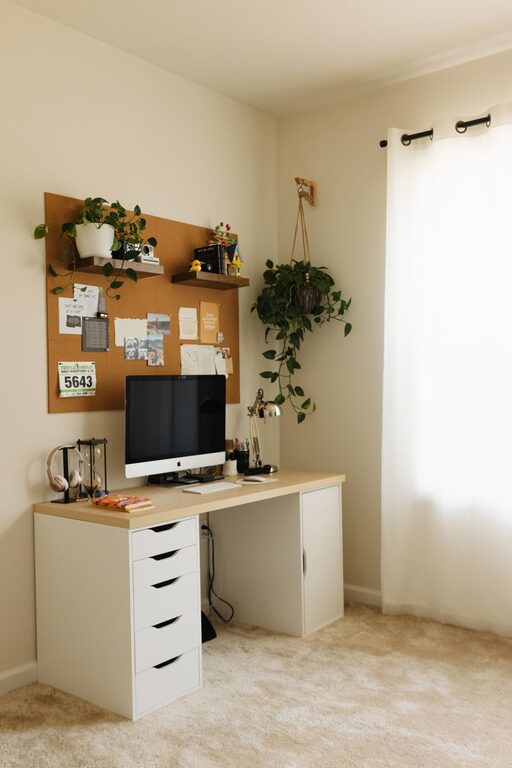
Natural light can boost your mood and energy levels. Try to position your desk near a window so you can enjoy daylight and outdoor views while you work. If natural light is limited, invest in good quality lighting that mimics daylight to keep your workspace inviting and reduce eye strain.
Make Comfort a Priority
Choose an Ergonomic Chair
Comfortable seating is critical when you spend hours at your desk. An ergonomic chair provides support to your back and encourages good posture, helping to prevent aches and fatigue.
Arrange Your Desk for Ease of Use
Keep your most-used items within easy reach. Design your desk layout to minimize unnecessary movement, which helps maintain a smooth workflow and reduces stress.
Add Soft Textures
Consider adding a comfortable rug, cushions, or a small throw blanket. These soft elements make your workspace more inviting and relaxing.
Personalize Your Space
Incorporate Plants
Indoor plants add a touch of nature, improve air quality, and can boost your mood. Easy-to-care-for plants like succulents or pothos are great options for a workspace.
Use Calming Colors
Choose soothing colors for your walls or decor items, such as soft blues, greens, or neutrals. These colors can promote calmness and help you stay focused.
Display Inspiring Items
Add artwork, quotes, or personal mementos that motivate you. Keep decorations simple and meaningful to avoid clutter.
Minimize Clutter
Use Organizational Tools
Invest in desk organizers, file holders, and drawers to keep papers and supplies neatly stored. A tidy workspace can reduce anxiety and help you concentrate.
Establish a Cleaning Routine
Set aside a few minutes at the end of each day to clear and organize your desk. Starting each day in a clean space helps set a productive tone.
Manage Noise and Distractions
Use Noise-Canceling Headphones
If your home is noisy or if you find it hard to focus, noise-canceling headphones can help create an auditory barrier, letting you tune out distractions.
Set Boundaries
If you share your home, communicate your work hours and space needs clearly. Use signs or other visual cues to let others know when you’re focused and prefer not to be disturbed.
Incorporate Break-Friendly Features
Create a Relaxation Corner
Include a comfortable chair or small sofa nearby where you can take short breaks. Stepping away from your desk helps refresh your mind and maintain productivity.
Keep Hydrated and Nourished
Place a water bottle or healthy snacks within reach. Staying hydrated and energized supports concentration and well-being.
Optimize Technology Setup
Use a Reliable Internet Connection
A stable internet connection helps avoid frustration and keeps you connected for video calls and online work.
Manage Cables and Devices
Use cable organizers to keep wires tidy and reduce clutter on your desk. Position devices like printers or external drives nearby but out of your immediate workspace to save room.
Adjust Screen Settings
Position your monitor at eye level to reduce neck strain. Adjust brightness and contrast for comfort, and consider using blue light filters to reduce eye fatigue.
Final Thoughts
A relaxing home workspace doesn’t mean it has to be extravagant. Simple changes such as improving lighting, organizing your desk, and adding personal touches can make a significant difference. Strive for a balance between comfort and functionality to create an environment that supports your productivity and promotes well-being.
Starting with these tips can help you build a home workspace where you look forward to working each day. Remember, your workspace should adapt to your needs over time, so keep tweaking and personalizing it until it fits you just right.