






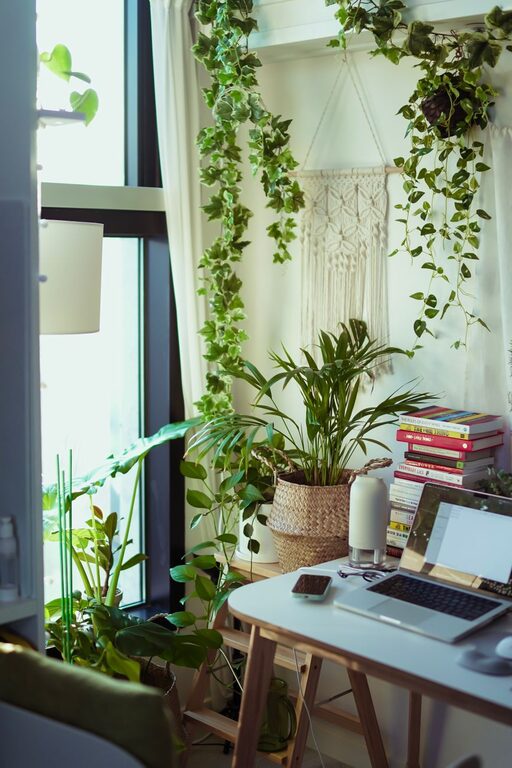
Creating a relaxing home office environment is essential for maintaining focus, reducing stress, and improving productivity when working remotely. Whether you have a dedicated room or a small corner in your living space, setting up a comfortable and calming workspace can make a big difference in your daily work experience. In this post, we’ll explore practical tips and ideas to help you transform your home office into a peaceful and inviting place.
Why a Relaxing Home Office Matters
A well-designed workspace isn’t just about aesthetics — it can significantly impact how you feel and perform throughout the day. Stressful or cluttered environments tend to reduce concentration and increase distractions, while calming spaces promote creativity and efficiency. Taking the time to design your home office with relaxation in mind can improve your well-being and work satisfaction.
Choose the Right Location
Start by selecting a spot in your home where you can focus and feel comfortable. If possible, choose a quiet area away from household noise, heavy foot traffic, or distractions like the television. Natural light is ideal, so placing your desk near a window helps brighten the room and boost your mood.
Tips for Better Location Choices:
– Avoid setting up near noisy appliances or busy hallways
– Find a spot with good ventilation for fresh air
– Consider using portable room dividers or curtains to create a sense of separation if needed
Invest in Comfortable Furniture
The foundation of a relaxing home office is comfortable furniture that supports good posture and reduces fatigue. A sturdy desk at the right height and an ergonomic chair with adjustable features can protect your back and neck during long working hours.
Key Furniture Features:
– A desk with enough surface area for your computer, documents, and accessories
– A chair with lumbar support, adjustable height, and comfortable cushioning
– Footrests or standing desk options for movement throughout the day
Organize and Declutter Your Space
Clutter can cause stress and make your work less efficient. Keeping your workspace organized and clutter-free helps create a clear mental space and allows you to focus on the task at hand.
Organization Strategies:
– Use shelves, drawers, and storage boxes to keep supplies orderly
– Keep only essential items on your desk to avoid distractions
– Create a system to manage papers, like filing folders or digital scanning
Incorporate Soothing Colors and Decor
Colors affect mood and energy levels. Choosing soft and neutral tones such as pastels, blues, greens, or earth tones can create a calming atmosphere. Decorate your office with items that inspire relaxation and positivity.
Decorating Ideas:
– Plants add natural beauty and improve air quality
– Art or photos that bring you joy or focus
– Soft lighting through lamps or string lights instead of harsh overhead bulbs
Manage Lighting Wisely
Good lighting reduces eye strain and uplifts your workspace. Natural sunlight is best, but when that’s limited, supplement with lamps that provide warm, soft light.
Lighting Tips:
– Position your monitor to avoid glare on the screen
– Use adjustable desk lamps to direct light exactly where you need it
– Consider full-spectrum bulbs to mimic natural light for better alertness
Minimize Noise and Distractions
Noise can interrupt concentration, so creating a quieter environment is key. If total silence isn’t possible, try to control noise and distraction in other ways.
Noise-Reduction Techniques:
– Use noise-canceling headphones or white noise machines
– Close doors or windows to block outside sounds
– Communicate with housemates about your working hours to reduce interruptions
Add Personal Comfort Elements
Small details can enhance your comfort and mood, making your home office feel more inviting.
Comfort Enhancements:
– A cozy rug or cushion under your feet
– A water bottle or herbal tea to stay hydrated and refreshed
– Scents like lavender or eucalyptus using a diffuser or candles for relaxation
Create a Routine and Break Space
Lastly, a relaxing office isn’t only about the setup—it’s also about the habits you build. Designate times to work, take breaks, and stretch. If space allows, include a small area for rest or meditation to recharge during the day.
Routine Suggestions:
– Take short breaks every hour to stretch and move
– Use timers or apps to maintain focus and work-rest balance
– Keep your break area separate from your desk to mentally distinguish work time from downtime
—
Creating a relaxing home office environment doesn’t require a big budget or drastic renovations. By paying attention to your workspace’s location, comfort, organization, lighting, and personal touches, you can build a sanctuary that supports both productivity and well-being. Start with small changes, and enjoy the sense of calm they bring to your workday.